
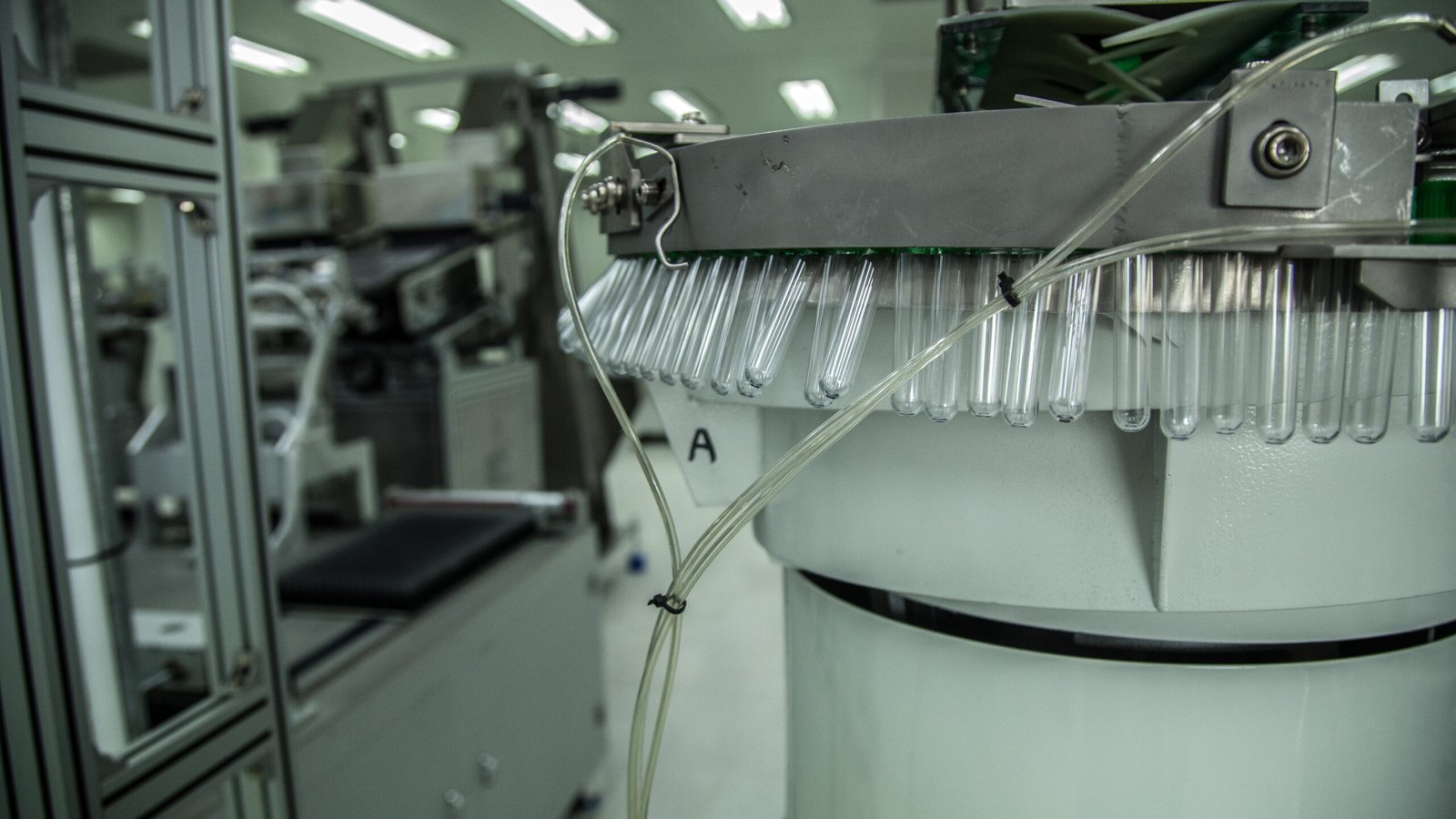
Plastic molding for large parts plays a vital role in modern manufacturing, enabling the creation of substantial components that are lightweight yet durable. This approach has grown in popularity across various sectors due to its ability to produce items with complex geometries and consistent quality. In this guide, we’ll examine the core elements of this process, from foundational methods to practical uses, offering insights into how it shapes everyday and industrial products.
Understanding Plastic Molding for Large Parts
Plastic molding involves shaping molten plastic material into desired forms using specialized tools and equipment. When focusing on large parts, the process adapts to handle bigger molds and higher volumes of material, often requiring robust machinery to maintain precision. Large parts typically refer to components exceeding certain dimensions, such as those over 24 inches in length or weighing more than a few pounds, demanding careful control to avoid defects.
This method stands out for its efficiency in producing items that would be challenging or costly with other techniques. It leverages heat and pressure to transform raw polymers into functional shapes, ensuring uniformity across batches. As industries seek sustainable and cost-effective solutions, understanding these basics helps in appreciating the versatility of plastic molding large parts.
Key Techniques in Molding Large Plastic Parts
Several techniques cater specifically to large plastic components, each offering unique benefits based on the part’s requirements. Selecting the right method depends on factors like part size, material type, and production volume.
Injection Molding for Oversized Components
Injection molding stands as a primary technique for large parts, where molten plastic is injected into a mold under high pressure. For bigger items, machines with clamping forces from 1000 to over 4000 tons are used to accommodate expansive molds. This process excels in creating thin-walled structures with intricate details, though it requires precise temperature and pressure management to prevent warping.
Gas-Assisted Injection Molding
A variation of injection molding, gas-assisted methods introduce nitrogen gas into the mold to hollow out sections, reducing material use while enhancing strength. This is particularly useful for large, hollow parts like automotive panels, where it minimizes weight without sacrificing rigidity. The gas helps in achieving uniform wall thickness, addressing common issues in oversized molding.
Rotational Molding for Hollow Structures
Rotational molding, or rotomolding, involves rotating a mold filled with plastic powder in an oven, allowing the material to coat the interior evenly. Ideal for seamless, hollow large parts such as tanks and bins, this low-pressure process produces stress-free items with consistent thickness. It’s favored for its ability to handle complex shapes without seams.
Structural Foam Molding for Enhanced Durability
Structural foam molding combines plastic with a foaming agent, creating a cellular core surrounded by solid skin. This results in lightweight yet strong large parts, suitable for applications needing impact resistance. The technique allows for thicker walls, making it a go-to for industrial components.
Compression Molding for Composite Materials
In compression molding, preheated plastic is placed in an open mold and compressed under heat. While not as fast as injection, it’s effective for large, flat or curved parts using reinforced materials. This method supports thermosets, offering high strength for demanding environments.
Materials Suitable for Large Plastic Part Molding
Material selection is crucial in molding large parts, influencing durability, cost, and performance. Common choices include high-density polyethylene for its toughness and chemical resistance, often used in containers. Polypropylene provides flexibility and fatigue resistance, ideal for automotive applications.
Acrylonitrile butadiene styrene offers impact strength and a smooth finish, while polycarbonate delivers clarity and heat tolerance for protective covers. Nylon variants enhance wear resistance in mechanical parts. These thermoplastics are favored for their melt flow properties, ensuring even distribution in large molds. Additives like glass fibers can further boost strength for specialized needs.
Advantages of Molding Large Plastic Components
One key benefit is the high strength-to-weight ratio, allowing for lighter alternatives to metal without compromising performance. This reduces transportation costs and improves efficiency in end-use applications. The process also supports complex designs, enabling integrated features that minimize assembly steps.
Cost-effectiveness shines in medium to high volumes, as tooling investments are offset by low per-unit expenses. Repeatability ensures consistent quality, vital for industries with strict standards. Additionally, plastic’s corrosion resistance extends product lifespan in harsh conditions. These attributes make it a preferred choice for sustainable manufacturing.
Economic Benefits in Production
For large-scale operations, the ability to produce parts quickly lowers labor costs and accelerates time-to-market. Material efficiency reduces waste, aligning with eco-friendly practices.
Performance Enhancements
Molded large parts often exhibit low internal stresses, leading to better dimensional stability over time.
Challenges in Plastic Molding for Large Parts
Despite its strengths, molding large parts presents hurdles like uneven cooling, which can cause warping or sink marks. Managing material flow in expansive molds requires advanced equipment to avoid voids. High clamping forces demand substantial machinery investments.
Cycle times may extend due to thicker sections, impacting productivity. Material handling poses logistical issues, as large parts are heavy and cumbersome. Addressing these through optimized designs and process controls is essential for success.
Mitigating Design Flaws
Incorporating draft angles and uniform wall thickness helps prevent ejection problems and defects.
Applications of Large Molded Plastic Parts in Industry
Large molded parts find extensive use in automotive, where bumpers and dashboards benefit from lightweight construction. In consumer goods, items like storage bins and furniture components leverage durability.
Industrial sectors employ them for enclosures and pallets, ensuring robust performance under load. Medical equipment housings and aerospace panels also utilize these parts for their precision and strength.
Automotive and Transportation Uses
From exterior trims to interior elements, molded plastics enhance vehicle efficiency and safety.
Consumer and Household Products
Everyday items such as appliances and outdoor gear rely on large molded components for functionality.
Specialized Industrial Applications
In energy and construction, these parts provide reliable solutions for demanding environments.
Innovations Shaping Large Part Plastic Molding
Recent advancements include automation and AI for precise process control, reducing defects and cycle times. Sustainable materials, like bio-based resins, are gaining traction for eco-conscious production.
Hybrid techniques combine molding with 3D printing for complex tooling, while digital twins simulate processes for optimization. These developments promise greater efficiency and customization in large part molding.
Future Trends in Large Plastic Part Molding
Looking ahead, integration of smart sensors and predictive maintenance will enhance reliability. Emphasis on recyclability and reduced emissions aligns with global sustainability goals.
As demands evolve, plastic molding for large parts continues to adapt, offering innovative solutions that balance performance, cost, and environmental impact. This enduring technique remains a cornerstone of efficient manufacturing.